
8ᵗʰ International Symposium on ARSACS
Sponsored by the Ataxia Charlevoix- Saguenay Foundation
ICAR Satellite Meeting
Renaissance Atlanta Waverly Hotel & Convention Center 2450 Galleria Parkway SE, Atlanta GA 30339
Monday, November 9, 2026
Advancing ARSACS Research
About the Symposium
8ᵗʰ International Symposium on ARSACS (Autosomal Recessive Spastic Ataxia of Charlevoix- Saguenay)
Monday, November 9, 2026
1pm – 5pm followed by cocktail
Renaissance Atlanta Waverly Hotel & Convention Center 2450 Galleria Parkway SE, Atlanta GA 30339
* In person only * * No registration fee *
A great opportunity to learn about the latest advancements in ARSACS research. This conference is sponsored by the Ataxia Charlevoix- Saguenay Foundation.
The symposium, a scientific conference, is a satellite meeting of the 2026 ICAR Conference and is scheduled to begin the day before the start of ICAR.
This free in person event is opened to anyone interested in rare neurological diseases.
There is no opportunity for abstract or posters.
Networking opportunity from 5PM – 7PM.
Our Mission
The mission of the Ataxia Charlevoix- Saguenay Foundation is to contribute to the development of a treatment for ARSACS. Since 2006, the Foundation has been funding research projects in Quebec, Canada, USA, Europe and South America. The fundamental research funded over the years has made significant progress pointing to promising prospects.
Symposium Program
On behalf of the Ataxia Charlevoix- Saguenay Foundation and on my personal behalf, I wish to invite you to the 8th International Symposium on ARSACS, a dynamic gathering of leading researchers and clinicians committed to advancing research on ARSACS. I hope to see you there!
This year’s conference will offer an exceptional opportunity to discover the emerging trends in ARSACS research, share insights, and foster new collaborations.
The Symposium program is still under development and is being shaped with the valuable collaboration of Dr. A. Watt from McGill University. We encourage you to visit the Foundation website regularly for exciting updates.
Keynote speaker : Dr. Jennifer Faber, University of Bonn
Detailed Program
Opening Remarks
Sonia Gobeil, Cofounder, Ataxia Charlevoix-Saguenay Foundation
Symposium Chaired by: to be confirmed
“Title to be confirmed”
Keynote speaker: Dr. Jennifer Fabe, University of Bonn
“Clinical Trial”
Dr. Massimo Pandolf, McGill University
“Small molecule and gene therapy for ARSACS”
Dr. Stephen Strack, University of Iowa
“Title to be confirmed”
Dr. Francesca Maltecca, Ospedale San Raffaele Scientific Institute
Refreshment Pause
“Title to be confirmed”
Dr. Justin Wolter, University of Wisconsin
“Modelling ARSACS with cerebellar organoids”
Dr. Esther Becker, University of Oxford
Closing Remarks
Cocktail
Symposium Speakers
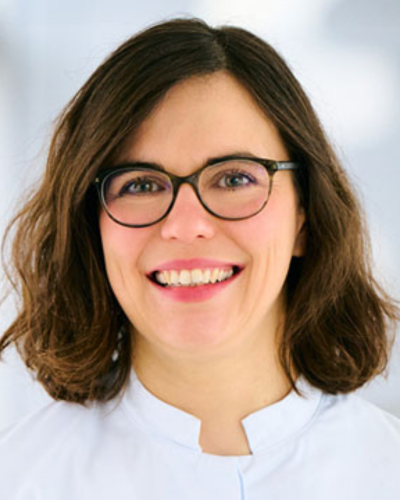
Dr. Jennifer Faber
University of Bon
I studied medicine and mathematics. Together with my team, our main research aim is the optimization of MR imaging biomarkers particularly for ataxia disorders and thus, improvement of data-driven disease modeling. Our research focuses on cerebellar imaging and digital biomarkers in neurodegeneration – with particular emphasis on ataxias. We aim to improve diagnosis and monitor disease progression in ataxia and related movement disorders.
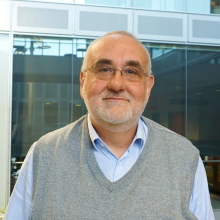
Dr. Massimo Pandolfo
Department of Neurology and Neurosurgery McGill University
Before coming to the Department of Neurology and Neurosurgery at McGill University in 2021, Dr. Massimo Pandolfo was Chief of Neurology at Erasme Hospital and Professor of Neurology at the Université Libre de Bruxelles (ULB), where he was also Director of the Laboratory of Experimental
Neurology. His research interests focus on neurogenetics. An international collaboration led by Dr. Pandolfo was the first to identify the Friedreich’s ataxia (FRDA) gene in 1996. He has since contributed to the study of the molecular pathogenesis of the disease, to the development of therapeutics, and to its clinical characterization.
He has been the coordinator of the European Friedreich’s Ataxia Consortium for Translational Studies (EFACTS) and is currently on the Board of Directors of the Ataxia Charlevoix-Saguenay Foundation. In addition, he has contributed to the study of several monogenic epilepsies and participated in genetic studies on common epilepsies and on epilepsy pharmacogenetics. He was also involved in genetic studies on brain degeneration with iron accumulation, paroxysmal non-kinesogenic dyskinesia, aceruloplasminemia, and on the predisposition to stroke.
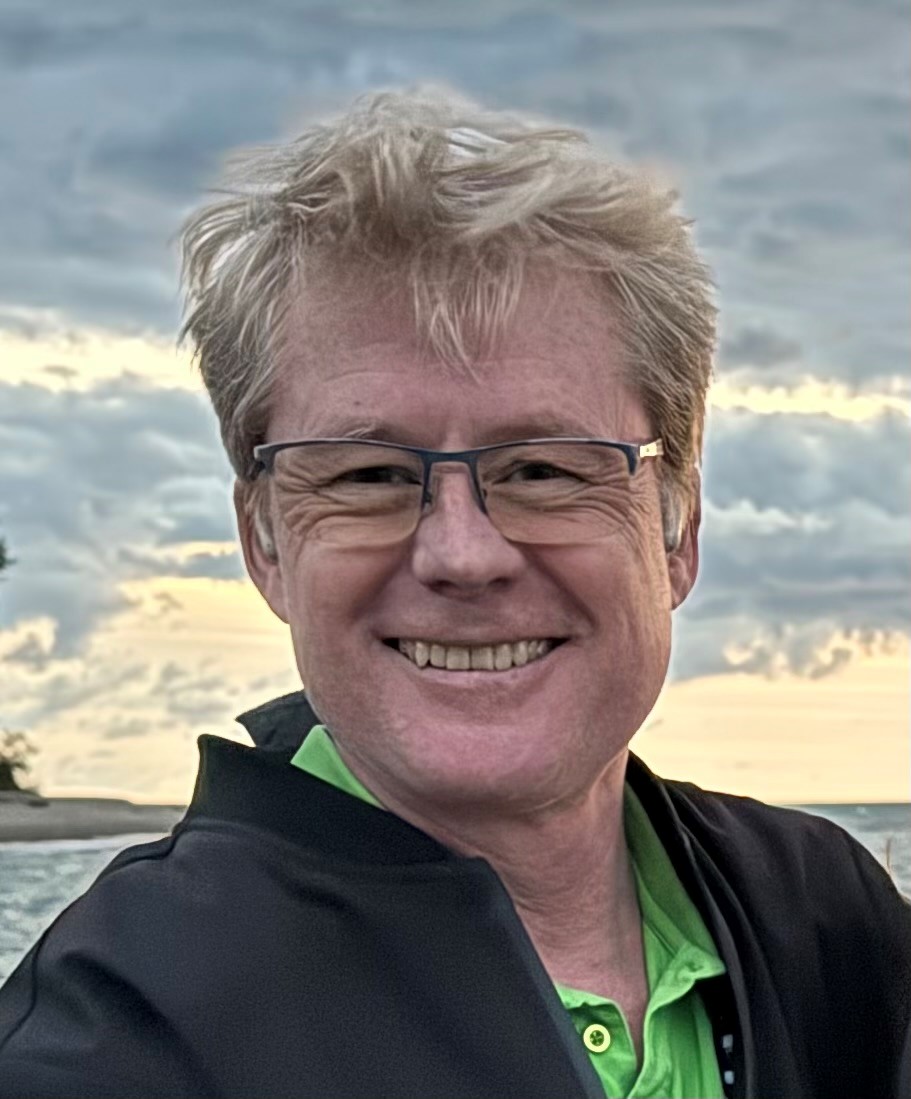
Dr. Stephen Strack
Professor and Vice Chair of the Department of Neuroscience and Pharmacology University of Iowa
Born and raised in Germany, Dr. Stefan Strack is Professor and Vice Chair of the Department of Neuroscience and Pharmacology at the University of Iowa. His team develops new mouse models and leverages existing ones to find treatments for neurological disorders. His recent preclinical work on a rare neurodevelopmental disorder sparked an ongoing phase 2 clinical trial that is co-sponsored by a nonprofit foundation and the drug manufacturer. His team also pursues autosomal-dominant (SCA12) and – recessive ataxias (ARSACS). The laer work has been funded by the Canadian ARSACS foundation since 2015. Currently, his team is 1) creating new ARSACS mouse models, 2) repurposing drugs that are nearing FDA approval for other disorders and 3) delivering full-length Sacsin into the brain for gene therapy.
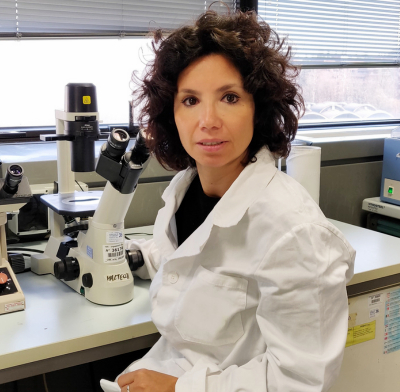
Dr. Francesca Maltecca
Ospedale San Raffaele Scientific Institute
Dr. Francesca Maltecca has a background in human genetics, with specialized training and expertise in inherited cerebellar ataxias, as well as extensive experience in cerebellar physiology and pathology. Her research focuses on dissecting the molecular mechanisms underlying inherited cerebellar ataxias, particularly those with primary or secondary mitochondrial origins, and extends to other neurodegenerative disorders, including dominant optic atrophy and multiple sclerosis. She has published seminal works on the pathogenesis of SCA28, SPAX5, and ARSACS. She is a member of the Ataxia Global Initiative, where she has co-coordinated the working group dedicated to preclinical trials in mouse models of ataxia for three years. Additionally, she is part of an international research consortium (Treat- ARCA) focused on drug development for recessive ataxias, funded by the European Joint Program for Rare Diseases. She has been recognized twice with the Young Investigator Award for Spinocerebellar Ataxia Research by the National Ataxia Foundation (US). Her expertise spans human genetics, cell biology, neurobiology, and mouse model phenotyping.

Dr. Justin Wolter
Assistant Professor Genetics Department University of Wisconsin
Dr. Wolter is an Assistant Professor in the Department of Genetics at the University of Wisconsin- Madison. His lab focuses on molecular mechanisms underlying neurodevelopmental disorders and neurodegenerative diseases. His team collaborates with many ARSACS researchers around the world, with the goal of developing data driven therapeutic strategies for ARSACS.
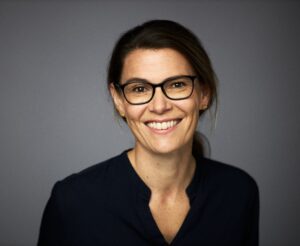
Dr. Esther Becker
Professor of Translational Neuroscience University of Oxford
Esther graduated from the University of Amsterdam cum laude with a MSc degree in Medical Biology in 2000. She then joined the Biomedical and Biological Sciences Program at Harvard University, where she performed her PhD training with Azad Bonni. Her work as a graduate student has made significant contributions to our understanding of the specific signaling mechanisms that regulate cell death in the
nervous system, particularly in the developing cerebellum. For her graduate studies, Esther was awarded a PhD Fellowship from the Boehringer Ingelheim Fonds and an Albert J. Ryan Foundation Fellowship. After completing her PhD in 2006, Esther joined Kay Davies’ group in the Department of Physiology, Anatomy and Genetics, having been awarded a Human Frontier Science Program Fellowship and later an Oxion Training Fellowship. In 2010, Esther was awarded a presgious Dorothy Hodgkin Research Fellowship from the Royal Society to establish her own research programme, focussing on the genetic and molecular underpinnings of cerebellar ataxia in mice and humans. Esther joined the Nuffield Department of Clinical Neurosciences in 2020. She is also Co-Director of the Oxford Interdisciplinary Bioscience Doctoral Training Partnership and the newly awarded Interdisciplinary Life and Environmental Science Landscape Awards (ILESLA). Esther is Official Fellow (Cellular Life) at Reuben College. The Becker group aims to understand the genetic, molecular and cellular mechanisms that underlie
neurodevelopmental and neurodegenerative diseases of the cerebellum with the aim of developing better treatments for these disorders.