
KO mice
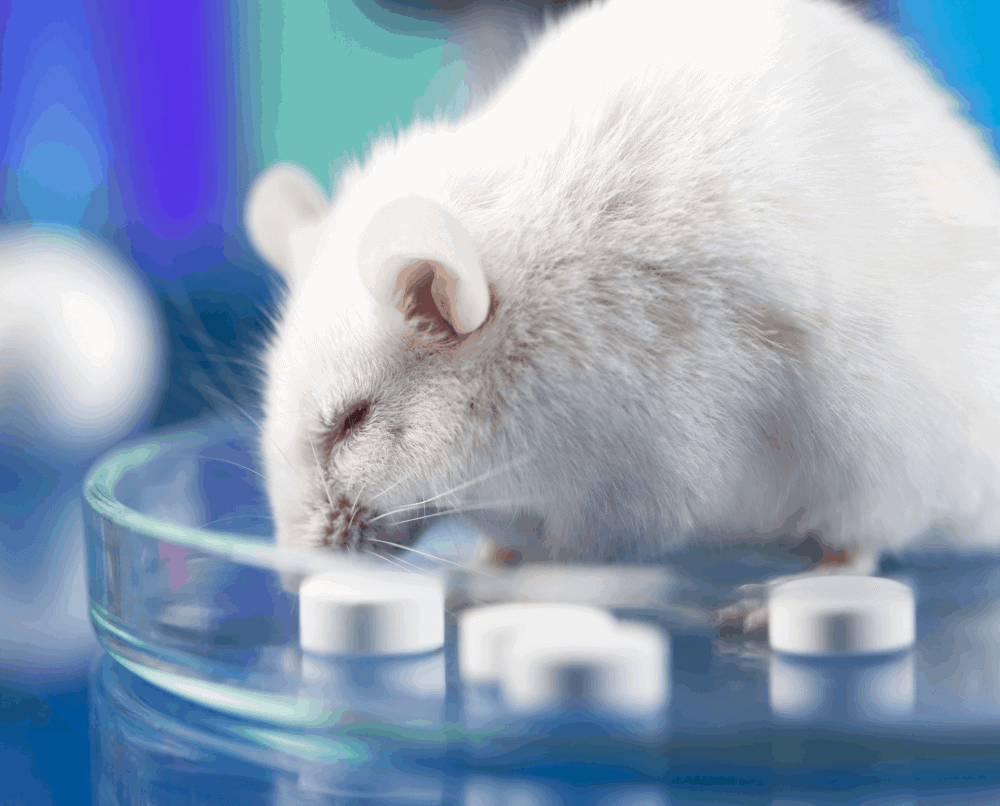
• Phenotype the SACS KO mice using the following instruments: Rotarod, Micro CT, Grip- strenght, Open-field test.
• Continue the histological analysis of the SACS KO : DRG, muscles, retina, sciatic and optic nerves.
• Test different neuronal modifications.
• Build capacity for therapeutic trials on the mice.
KI mice
Establish the colony of knock-in R272C mice.
• Start clinical, histolocal, protein and electrophysiological analyses.
Organotypic models of the hyppocampus and cerebellum
• Optimize organotypic cultures of hyppocampus and cerebellum from provenant sacsin KO mice.
• Examine the anatomical changes and the electrical activity of the neurons in the organotypic cultures of the hyppocampus and the cerebellum of the KO mice.
• Induce a knock-down using a virus to determine the effects on the functions and the neuronal development.
• Arrange the transfer of transgenic mice with GFP in the membrane of the Purkinje cells to mate with the sacsin KO mice.
• Establish the link at the anatomical and electrophysiological level between the sacsin and the Angelmann syndrome and more specifically the role of N+H+ NHE6 exchanger.
Publications
• Article under the supervision of Dr. Brais and describing the repertoire of mutations in the SACS gene in the Quebecois cases of ARSACS to be tabled in Fall 2010.
• Article on the biology of the sacsin cell, under the supervision of Dr. McPherson, to be tabled in Fall 2010.
• Article on the HEPN domain structure to be tabled by Dr. Gehring in Fall 2010.
• Article on clinical and pathological characterization of the KO mice, under the supervision of Dr. Brais, to be tabled in Fall 2011.
Broadcast
• Submission of an abstract at the Keystone Symposia on Neurodegenerative Diseases : "The Molecular and Cellular Basis for Neurodegenation" in February 2011 ( Taos, Nouveau-Mexique).
• Organize a meeting of researchers on ataxias at the American Society of Human Genetics Congress to be held in Montreal in Fall 2011.
Granting Agencies
• Apply in the Fall 2010 for a grant as part of the Institut génétique des IRSC program and in partnership with the Foundation of Ataxia Charlevoix-Saguenay.