
The exact molecular changes operating in cells in Autosomal Recessive Spastic Ataxia of Charlevoix-Saguenay (ARSACS) are not completely understood. Although several cellular alterations have been observed as a consequence of non-functional sacsin protein, how they predispose to neuronal cell death neurons remain unclear. Recent studies have identified a mechanism of cell death called ferroptosis as a possible key player in various neurodegenerative diseases. Ferroptosis is a form of non-apoptotic, regulated cell death that can be triggered by depletion of intracellular glutathione, leading to mitochondrial dysfunction and lethal lipid peroxidation. Sacsin localizes to mitochondria, and mitochondrial damage is also a prominent feature in ARSACS cells. Our preliminary data identify an enrichment for ferroptosis in transcriptomic data from cells that lack sacsin and show that these cells are highly susceptible to inducers of ferroptosis. Therefore, we hypothesize that ferroptosis plays a pathological role in ARSACS. To address our hypothesis, we will investigate the mechanisms underlying the susceptibility of ARSACS cells to ferroptosis (Aim 1), determine the effects of ferroptosis inhibitors, including a drug candidate in clinical trials, on ARSACS pathology in cells (Aim 2), and evaluate markers of ferroptosis in ARSACS brain tissues (Aim 3). Our goal is to provide new insights into the role of ferroptosis in ARSACS, thus potentially accelerating the development of therapies for ARSACS that target this pathway.
Grant: $25,000
Duration: One year
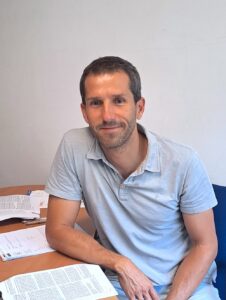 Dr. Antonio Jose Martins Currais
Auxiliary Researcher (Research)
Faculdade de Ciências da Universidade de Lisboa
Lisbon, Portugal
Contact: ajcurrais@fc.ul.pt