
Autosomal recessive spastic ataxia of Charlevoix-Saguenay (ARSACS) is one of the most common autosomal-recessive ataxias. Initially identified in the northern Quebec region of Charlevoix-Sagenay, but now diagnosed around the world, ARSACS is caused by loss-of-function mutations in the SACS gene. Its gene product, Sascin, is a gigantic multi-domain protein thought to help properly assemble equally large protein complexes. Unlike many models of human diseases, the Sacs KO mouse is a faithful model of ARSACS, displaying ataxia, muscle weakness, PC loss, and even dementia as we have recently reported (PMID: 38735882). A better understanding of pathogenic mechanisms in the Sacs KO mouse likely has therapeutic implications not only for ARSACS, but for cerebellar disorders in general.
We have generated a large capacity adenoviral vector to express full-length Sacsin in the brain of Sacs KO mice as poof-of-concept for gene therapy. In parallel, we have made a conditional knock-out (cKO) model of ARSACS in order to identify cell types and brain regions responsible for motor and cognitive deficits in ARSACS.
Grant: $100,000
This is a jointly founded project with Action for ARSACS Foundation USA (AFA)
Duration: One year
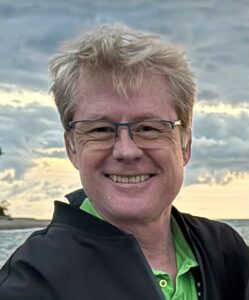 Dr. Stefan Strack
Professor and Vice Chair
Department of Neuroscience and Pharmacology
University of Iowa Carver College of Medicine
2-452 Bowen Science Building
51 Newton Road
Iowa City, IA 52242, USA
Contact: stefan-strack@uiowa.edu