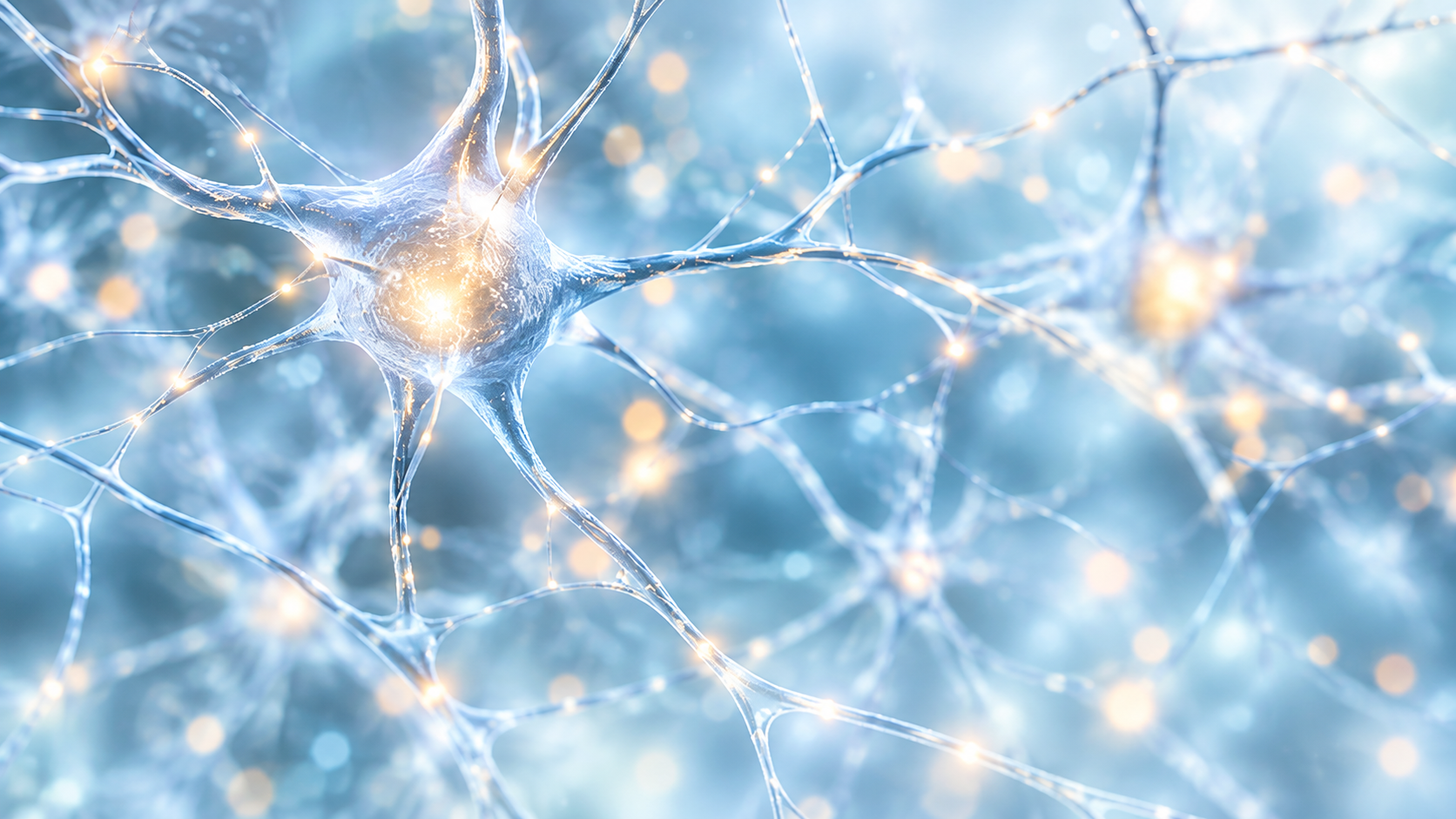

Unveiling the Role of Microglia in ARSACS: A Multi-Model Approach Integrating Human Microglial and Zebrafish Models, Ataxia of Charlevoix-Saguenay (ARSACS) is a rare inherited neurological disease that causes progressive problems with balance, walking, coordination, muscle stiffness, and weakness. It is caused by mutations in the SACS gene, but there is currently no treatment capable of slowing or stopping the disease. For many years, ARSACS research has focused mainly on neurons, particularly on Purkinje cells, a type of neuron located in the cerebellum that is known to undergo progressive damage. However, growing evidence suggests that other types of brain cells besides neurons may also play an important role in the disease. Among them, microglia are the brain’s immune cells, protecting the nervous system by removing damaged material and supporting neuronal function. When microglial cells become chronically activated, however, they can contribute to inflammation and potentially worsen brain damage. Our most recent studies suggest that abnormal microglia could be already present at very early stages of ARSACS, even before neuronal loss occurs. This raises an important question: are these cells simply responding to neuronal damage, or are they actively contributing to the disease? To address this hypothesis, we will combine two complementary research models. First, we will generate microglial cells and cortical neurons from stem cells, previously derived from skin cells donated by ARSACS patients. This approach will allow us to determine the molecular characteristics of mutant cells, focusing especially on inflammation and metabolism. Second, we will use a genetically modified zebrafish that mimics human disease while carrying fluorescent microglial cells and neurons. This particular model, created in the last years in our lab, will give us the opportunity to observe how microglia and neurons interact in the living brain in the first stages of ARSACS. By combining these approaches, we aim to determine the specific contribution of microglia to disease progression and to identify novel biological pathways putatively responsible for early pathogenic mechanisms. Starting from these data, we will also test new therapeutic strategies designed to reduce harmful inflammation and protect neurons. If successful, this project will improve our understanding of ARSACS and contribute to identification and development of new therapeutic strategies for slowing disease progression and improving the quality of life of people living with ARSACS.
Subvention : $100 000
Ce projet est cofinancé avec le Richardson Trust Fund - une contribution de 50 000$.
Durée : un an
 Dr Devid Damiani
Doctorat
Chercheur principal
Unité d'enseignement et de recherche (UER) en médecine moléculaire, maladies neurodégénératives et neuromusculaires
IRCCS Fondazione Stella Maris
Via dei Giacinti, 2
56128 Calambrone (Pise), Italie
Contact : devid.damiani@gmail.com